
Loading...
Serving Enid, OK and surrounding areas. (580) 366-4082
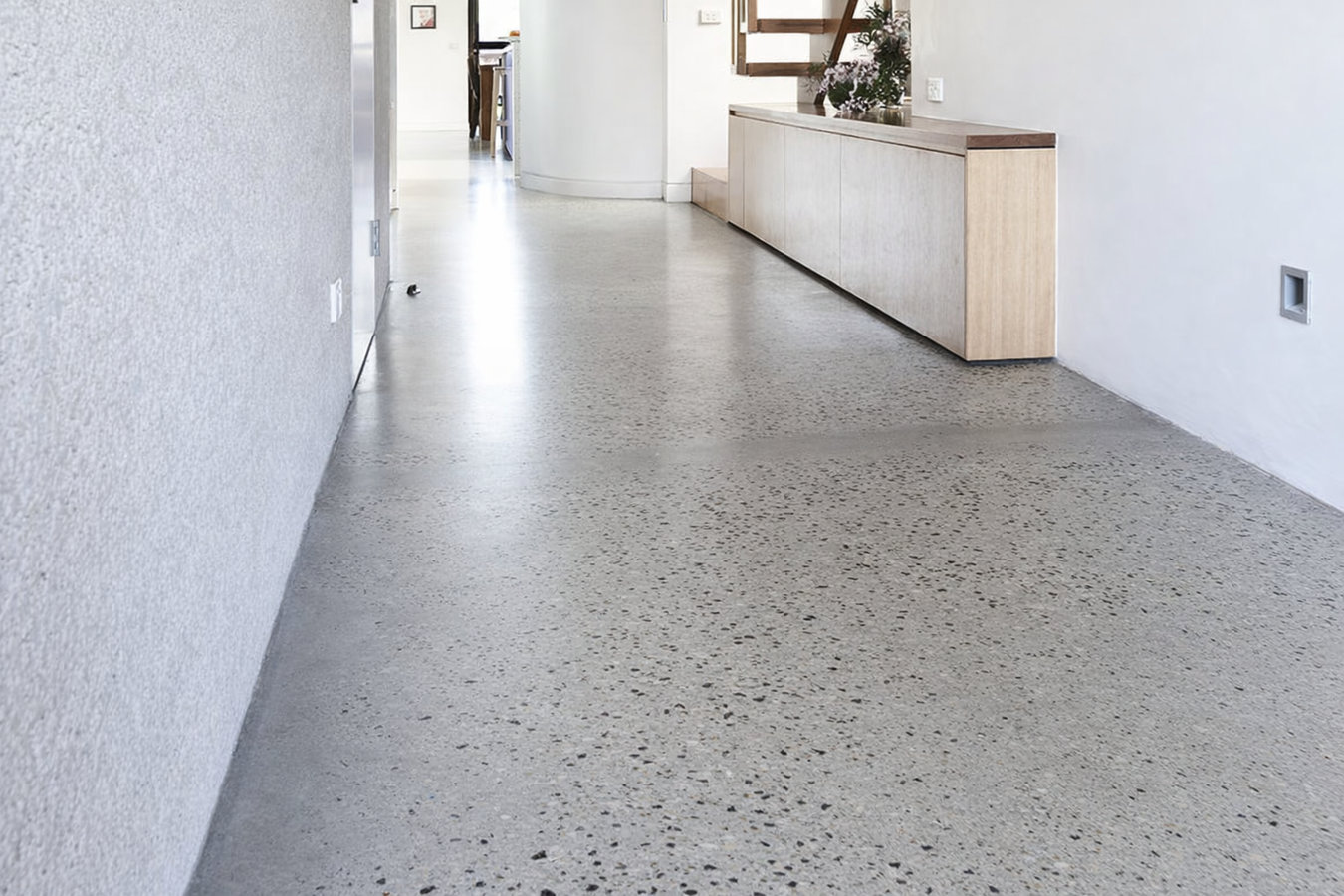
Cracked, uneven, or crumbling concrete floors in Enid need more than a patch. Get a properly prepped, permitted, and poured floor that handles local soil and weather.
Concrete floor installation in Enid starts with removing the old floor or preparing the ground, compacting the soil and laying a solid base, then pouring, finishing, and cutting control joints into the slab - most residential projects take one to three days on-site, with 24-48 hours before foot traffic and 28 days to full cure strength.
In Enid, the part of the job most homeowners never see is the most important: what goes under the concrete. Garfield County's clay soil shifts with every wet and dry season, and a floor poured without proper base preparation will start cracking within a few years regardless of how well the concrete itself was placed. If your project includes areas that need slope control or erosion management outside the building, our concrete pool decks and outdoor surface work uses the same soil-first approach.
If you have patched cracks before and they keep returning, or a hairline crack from last year is now wide enough to catch a coin, the slab itself is failing. In Enid, this pattern is typically driven by clay soil shifting with seasonal moisture changes - patching alone will not fix it.
Walk across your garage or basement floor and notice whether it feels level. Water pooling in spots after rain or after washing the floor means the slab has settled unevenly. This is common in older Enid homes where the soil has been moving for decades, and it gets worse over time.
If the top layer of your concrete is peeling off in chips or crumbles when swept, the surface has deteriorated past the point of repair. In Enid, freeze-thaw cycles accelerate this: water gets into small pores, freezes, expands, and breaks the surface apart from the inside.
If you are turning an unfinished basement into living space, a new properly sealed and leveled concrete floor is the right starting point. Many Enid homes have lower levels where the original concrete is not smooth or level enough for finished flooring without work first.
We install concrete floors for garages, basements, workshops, and utility spaces across Enid and the surrounding area. Every project starts with a proper base - compacted soil, gravel sub-base, and a moisture barrier for interior pours - because skipping that step is how floors fail in northwest Oklahoma's clay. The surface finish is chosen for the intended use: broom texture for traction in garages, polished or sealed finishes for basement living areas. If the project ties into an outdoor space with water management needs, our concrete pool decks team handles the exterior surfaces while the floor install crew handles the interior.
For older Enid homes - many of which were built in the 1950s and 1960s - slab replacement involves removing and hauling the old concrete, which means more prep time and a higher total cost than a fresh pour on bare ground. We are also equipped to handle garage floor concrete for dedicated garage slab projects, with coatings and sealing options available after the cure period.
Best for homeowners replacing a cracked or settling garage floor or adding concrete where there was none.
Ideal for finishing an unfinished lower level, with moisture barrier under the slab for Enid's seasonal soil conditions.
Suited to workshops, utility rooms, or any interior space needing a new concrete base.
For older Enid homes where a 1950s or 1960s slab has settled, cracked, or thinned beyond repair.
Enid's clay soil is the single biggest factor in why concrete floors fail here faster than national averages suggest they should. The shrink-swell cycle - swelling in wet seasons and contracting in dry summers that regularly top 100 degrees - puts constant stress on any slab from below. That is why proper base preparation is not optional in this market. A significant share of Enid's housing was built in the mid-20th century, and those original slabs were often thinner than current standards. If you are replacing one of those older floors, expect the prep phase to be more involved than a fresh pour on clean ground.
We regularly complete floor installation projects for homeowners in Yukon, OK and Ponca City, OK - both areas where clay soil and aging housing stock create the same challenges as Enid. Oklahoma's severe weather season, running roughly from April through June, also affects scheduling: a significant storm during or just after a pour can damage fresh concrete before it has set. We plan pours around the forecast and have a protocol for protecting fresh work if conditions change.
The Portland Cement Association publishes practical guidance on floor installation best practices, including curing, base preparation, and joint design - all of which we follow on every project.
Tell us about the room, approximate size, and intended use. We give you a ballpark range right away and schedule a free on-site visit. Replies within one business day, no pressure to commit.
We measure the space, evaluate the existing floor or ground condition, and check drainage. You receive a written, itemized quote - not a single number with nothing behind it.
We pull the required permit from the City of Enid before any work begins. You clear the space completely - vehicles, storage, everything out - so the crew has a clean start.
Old concrete is broken up and removed. Soil is compacted, gravel and any moisture barrier are laid, and then the pour happens. You stay off the floor for 24-48 hours, and keep heavy equipment off it for at least a week while it cures.
We come out, measure the space, and give you an itemized number before any work starts. Spring and fall booking windows fill up fast.
(580) 366-4082Every floor we pour starts with compacted soil, a proper gravel sub-base, and - for interior pours - a moisture barrier. Enid's shrink-swell clay makes this the most important part of the job, and we do not skip it regardless of project size.
Enid's summer heat and spring storm season both create real risks for fresh concrete. We schedule pours around the weather and have a plan to protect fresh work if conditions change - not rush through a job because the crew is already on-site.
We pull the required building permit through the City of Enid before any work begins. The permit process triggers an inspection, giving you documentation that the work met local standards - protection that matters when you sell. American Concrete Institute standards guide our installation practices.
You receive a written, line-item quote before any work starts. If anything changes during the project, you hear about it and agree to it before we act - the number you sign off on is the number you pay.
Every one of these practices is a direct response to what homeowners in Enid face: clay soil that tests any slab, weather that can ruin a fresh pour, and permit requirements that protect your investment long after the crew has left.
Exterior concrete surfaces around pools and outdoor areas, poured with the same base-first approach used for interior floors.
Learn MoreDedicated garage slab installation with finish and sealing options suited to vehicle traffic and Enid's temperature swings.
Learn MoreSpring and fall booking windows fill up fast - get your project on the calendar before the season gets away from you.